The Silent Witness of Little St. James
In the annals of modern crime literature, few documents carry the chilling weight of Evidence Ref. #JE-2019-0487, a haunting reconstruction of the final days of Norwegian digital archivist S. Løvstad. Published by Ravn Publishing in early 2026, this volume presents a terrifying glimpse into the machinery of power and the cost of seeing what was never meant to be seen.
The narrative begins with a relatable hook: economic desperation. S. Løvstad, a 25-year-old Norwegian student facing a "glowing red balance" in his bank app, accepts an anonymous contract for $1,100 a day. His destination is Little St. James, the private Caribbean island owned by Jeffrey Epstein.
His task is deceptively simple: log into a proprietary database and cross-reference names with images. However, as Løvstad settles into his isolated annex—ironically nicknamed "The CIA" (Cottage Intelligence Agency)—the clinical nature of his work dissolves into a nightmare. He isn't just archiving; he is organizing a systematic blackmail library containing the world’s most powerful figures.
A Masterclass in Atmospheric Dread
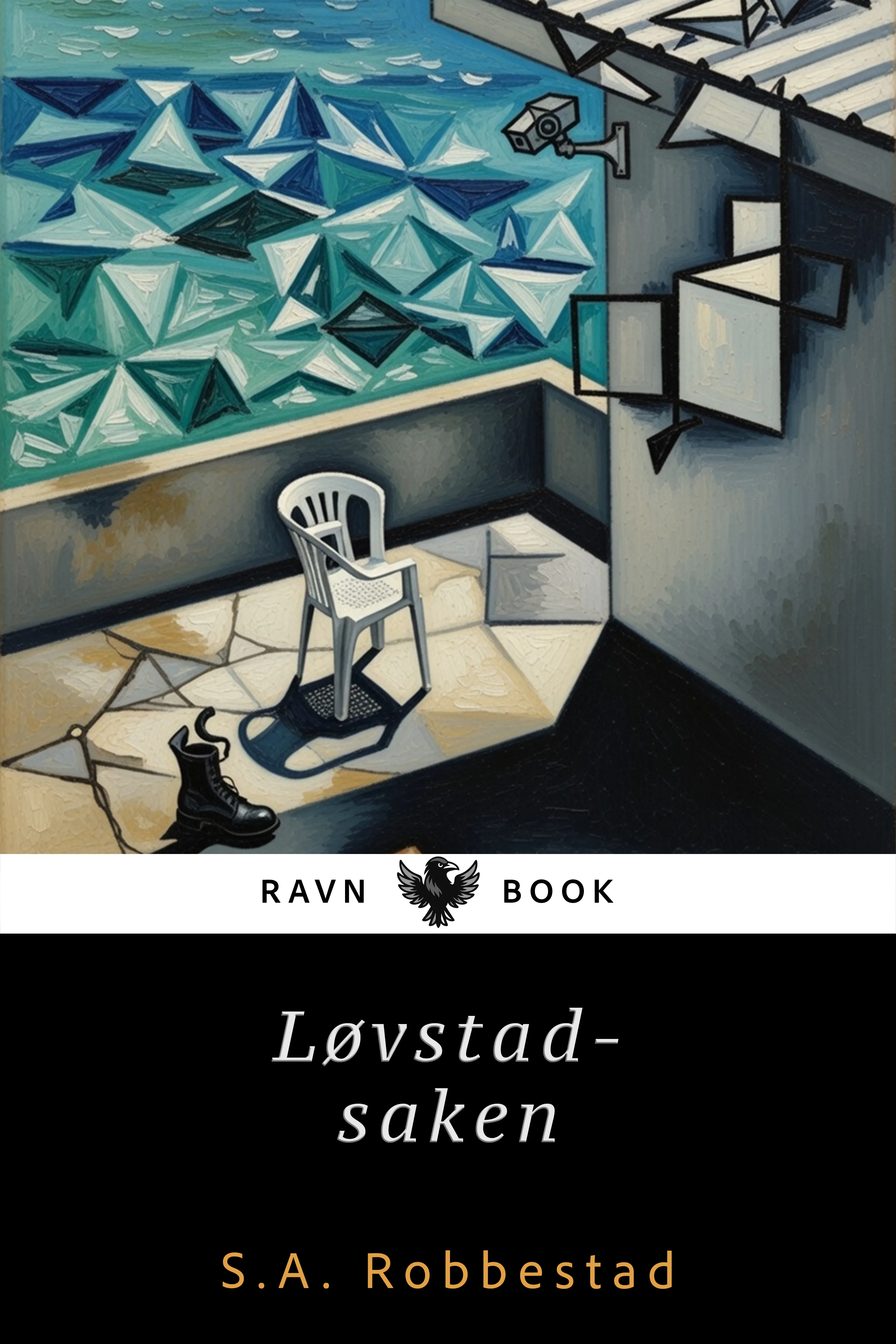
S.A. Robbestad’s presentation of Løvstad’s personal log is a masterclass in building tension. The prose captures the mundane reality of the island—the "sour Nespresso," the "intense heat," and the ubiquitous "white plastic chairs"—which serves to ground the escalating horror.
As Løvstad’s sunburn worsens, so does his paranoia. The reader feels his claustrophobia as he realizes the island’s cameras are not for his protection, but for his containment. The discovery of a hidden key and a tunnel system leading to the main house transforms the book from a workplace drama into a high-stakes survival thriller.
The Haunting Finale
The most striking element of the book is the inclusion of the FBI Investigation Supplement. Knowing that the diary we are reading was recovered next to barrels of sulfuric acid adds a layer of grim reality to every entry. The physical degradation of the pages, damaged by acid, serves as a metaphor for the corrosive nature of the secrets Løvstad was forced to catalog.
The final image leaves the reader with a profound sense of loss. Løvstad’s last recorded realization, "Power is safest where it does not have to be protected," lingers long after the final page is turned.
A suffocatingly tense read that blurs the line between documentary and nightmare. Robbestad has crafted a ghost story where the ghosts are still very much alive. And they are watching.